Altars
© 2010 - 2026 by MrRinkevich.com
Associated Holidays
Halloween, Samhain and Similar Halloween-like Celebrations
Country of Origin
Alter use dates back to ancient times in numerous cultures
Key Points / Halloween Connection
- Used during numerous Halloween and Halloween-like celebrations in either a theatrical or ritualistic sense
Brief Bio
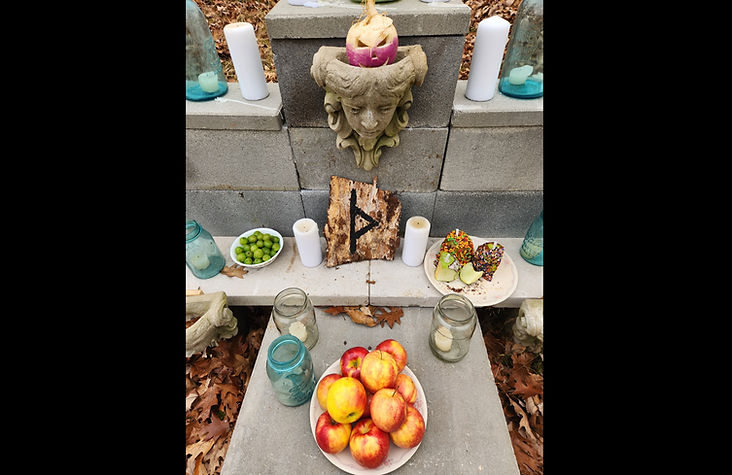
An altar is a raised structure used for religious rites, sacrifices, or offerings, but the term also applies to a focal point for personal or secular devotion, such as a home altar for prayer or a memorial. Historically, altars were central to worship in many religions, including those of Abrahamic traditions like Judaism, Christianity, and Islam, serving as a place for a spiritual connection, covenant, or sacrifice. In a broader sense, an altar can be a designated space for any intentional practice or to commemorate something important.
Ancient Celtic Origins
To guide ancestors and ward off evil spirits, they would light bonfires and place offerings on altars, which included bones from sacrificed animals and food.
Modern Altar Traditions
Día de los Muertos: In Mexico and other Latin American countries, altars called "ofrendas" are central to Día de los Muertos, a three-day celebration that begins on the evening of October 31.
Honoring Loved Ones: These altars are created to honor deceased family members, and they are decorated with items such as photographs, favorite foods and drinks, and fresh water.
Symbolic Elements: Traditional elements include the four elements (water, wind, earth, and fire), along with objects like marigolds, sugar skulls, and candles to help guide the spirits.
Modern Interpretations: Today, people continue to build altars for Samhain and other celebrations, though the specific rituals and decorations vary depending on the tradition and individual family.


Halloween Mythology